

Fuerteventura: Tracking the Island’s History Through Ajuy Caves
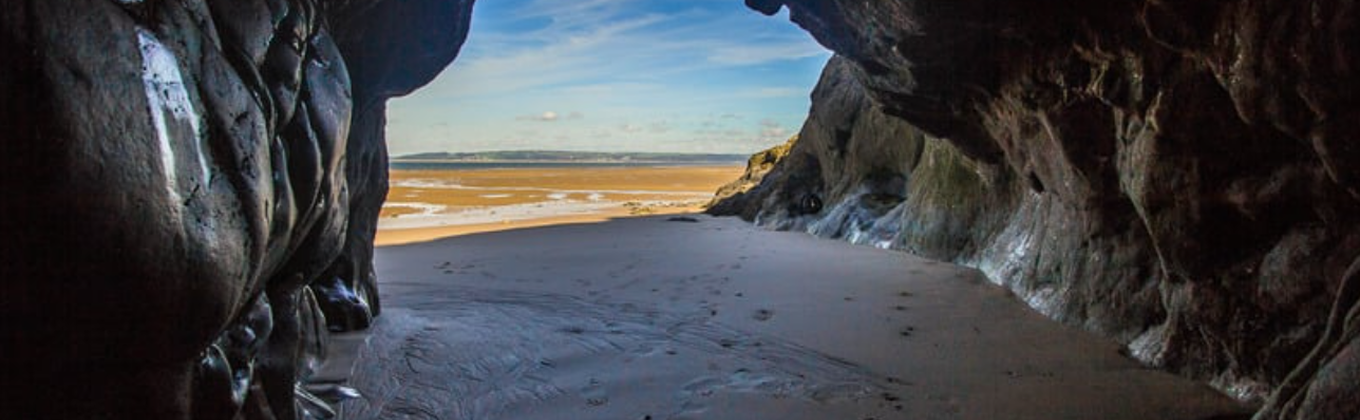
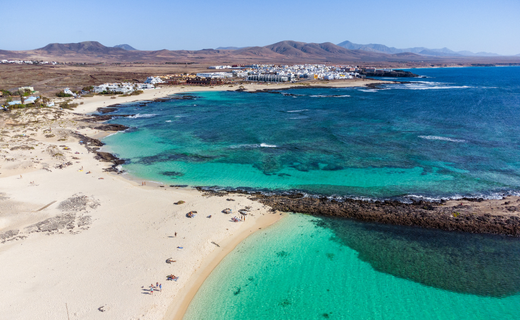
Located in the Atlantic Ocean off the coast of Morocco, Fuerteventura is one of the best Canary Islands to enjoy the stunning white sands and crystal-clear turquoise waters year-round. But beyond its beauty, it’s also home to a unique geological significance dating back millions of years: The Ajuy Caves.
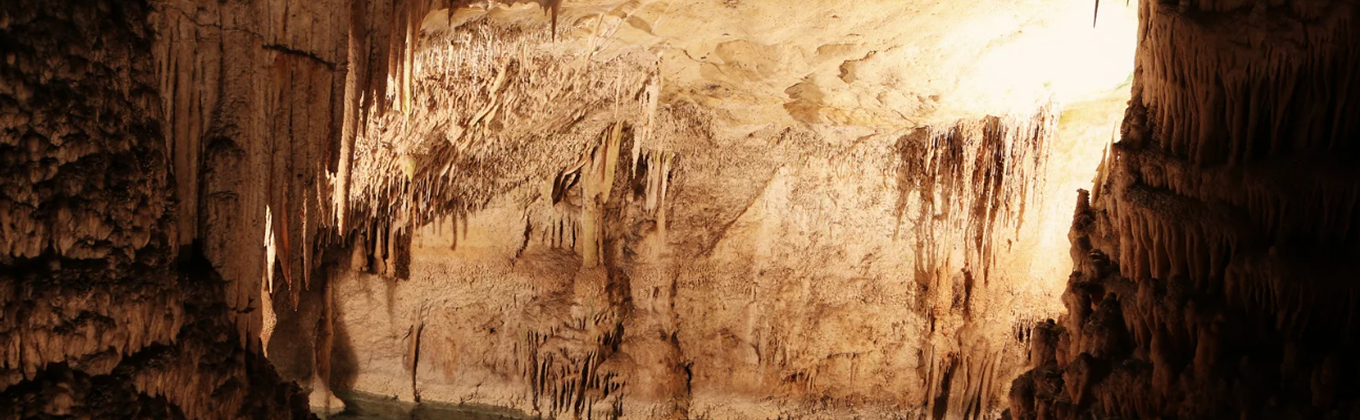
Ajuy Caves lie within the captivating seaside village of Ajuy, located on the west coast of Fuerteventura. This geological marvel, designated as a Natural Monument in 1987, consists of sedimentary rock formations created during the Cretaceous period—between 100 and 150 million years ago—making it the oldest geological formation in the Canary Islands. Since the caves hold immense geological and paleontological value, they are fully protected and are recognized among the 150 sites of primary geological interest in the world.
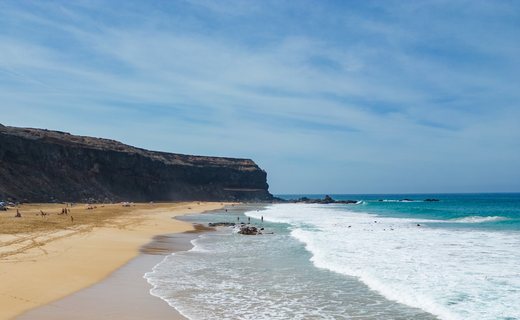
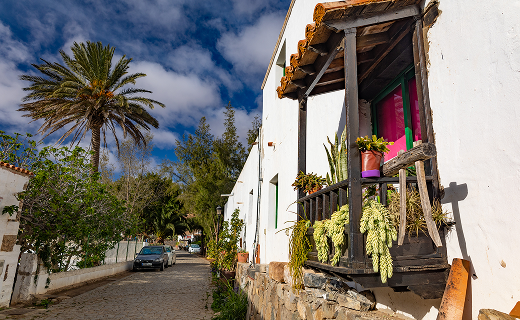
Besides the caves themselves, Ajuy offers visitors a charming village atmosphere and further points of interest. A stroll along Ajuy’s long, striking black-sand beach offers the perfect complement to a visit to the caves, blending the island’s fascinating natural history with the serenity of its coastal landscapes and showcases unforgettable views of the stunning ocean and fascinating cliffs.